
Is Shea Butter Safe for Acne-Prone Skin? A Clear Review
Last Updated: November 19, 2026
Quick Summary
Is shea butter safe for acne prone skin? It depends on your skin, the product, and how much you apply, since shea butter can hydrate dry patches but may feel heavy and contribute to clogged pores on oily skin. A formulated product is usually the safer starting point than pure shea butter.
- Patch test on your jawline or inner forearm for a few days before using it on your face.
- Use a pea-sized amount, warm it between fingertips until translucent, and press it into dry patches only.
- Start with two or three nights a week before considering more frequent use.
- Give any new shea product two to four weeks of small, consistent use before deciding.
- Stop using it if you see new closed bumps or increasing congestion where you applied it.
Table of Contents
- The Short Answer: Weighing Shea Butter's Benefits and Risks
- Shea Butter Comedogenic Rating: What the Number Actually Means
- Does Shea Butter Clog Pores? A Dermatologist-Informed View
- Is Shea Butter Good for Oily, Acne-Prone Skin?
- How to Use Shea Butter on Acne-Prone Skin Without Breakouts
- Is Cocoa Butter Good for Acne-Prone Skin?
- Shea Butter vs. Other Moisturizers: How It Compares
- Building a Gentle Routine for Acne-Prone Skin
- Frequently Asked Questions
The Short Answer: Weighing Shea Butter's Benefits and Risks
Is shea butter safe for acne prone skin? The honest answer is that it depends on your skin, the product, and how much you apply. Shea butter is a rich, plant-based fat that can support hydration and comfort dry, irritated skin.
Shea butter is a fatty substance that can make rough, dry texture feel softer. For someone with dry, flaky patches alongside breakouts, that cushioning effect can be welcome.
The risks are real too. Shea butter is a fatty substance, and heavy occlusive layers can trap oil and dead skin cells on skin that is already prone to blemishes. That does not mean it causes acne in everyone.
Why the Advice Online Conflicts
Most of the conflict comes from people comparing different things and calling them the same. One writer means pure, unrefined shea butter in a thick layer.
Skin type explains the rest. Someone with dry, sensitive skin may find shea butter calming. Someone with oily skin and active breakouts may find it too heavy. Both experiences are honest, and both get written up as blanket advice.
If you are sorting through conflicting ingredient guidance, our guide to safe plant extracts for skin healing walks through which botanicals are generally considered gentle and which tend to cause trouble.
Shea Butter Comedogenic Rating: What the Number Actually Means
Shea butter is often discussed with a comedogenic rating on a 0 to 5 scale, where 0 is least likely to clog pores and 5 is most likely. Ratings are a rough guide, not a guaranteed safe bet either.
Here is what most guides miss. The comedogenic scale was built from lab tests on rabbit ears and refined ingredients, not on your face. It is a rough guide, not a personal verdict. A rating tells you how likely an ingredient is to clog pores in general. It cannot tell you what happens on your skin at a thick nightly application.
Why the Rating Is Weaker Evidence Than It Looks
The comedogenic scale has three limits worth knowing before you act on it. First, the original testing was done on rabbit ears, which behave differently from human facial skin, so a rabbit-ear result does not translate directly to your pores. Second, most ratings describe a single refined ingredient in isolation, not the finished product you actually buy, where concentration, carrier oils, emulsifiers, and fragrance all change how the formula behaves on skin. Third, the scale measures a likelihood, not a guarantee: an ingredient rated 2 can still clog pores on a particular person, and an ingredient rated 0 can still cause trouble for someone with sensitive or reactive skin.
That is why two articles can both be technically honest and still reach opposite conclusions. One is describing pure shea butter at full strength; the other is describing a lotion where shea butter sits far down the ingredient list. Neither is wrong, they are answering different questions. When you read a claim that shea butter is or is not comedogenic, check what product and what concentration the writer actually means.
A common pattern is that ingredient-level ratings get repeated as if they were personal predictions. They are not. Treat the number as a starting point for a patch test, not as a verdict on your skin.
Pure Shea Butter vs. Formulated Products
This distinction changes the answer more than the rating does. Pure shea butter is the raw fat with nothing added.
For acne-prone skin, a formulated product is usually the safer starting point. You get the moisturizing benefit without a solid layer sitting on your pores. Pure shea butter has its place, but it works best as a targeted dab on a dry patch, not as an all-over face cream.
If you want a fuller explanation of how ingredient types compare, our review of whether mineral-based skincare is better for healing covers the reasoning behind these ratings.
Does Shea Butter Clog Pores? A Dermatologist-Informed View
Shea butter does not automatically clog pores, but it can contribute to pore blockage when applied heavily to skin that already produces a lot of sebum. The mechanism is simple: occlusive ingredients form a film that slows water loss, and that same film can hold oil and dead skin cells against the surface. On dry skin, that is protective.
Skin experts generally frame this as a matter of formulation and amount rather than a yes-or-no ingredient question.
The practical takeaway: shea butter is not the enemy, but it is not the first thing we would reach for on an oily T-zone mid-breakout.
Is Shea Butter Good for Oily, Acne-Prone Skin?
For most oily, acne-prone skin, shea butter is not the best daily moisturizer choice. Lighter options, including gel creams and lotion textures, deliver hydration without the weight.
In that situation, a thin layer on the dry outer areas, avoiding the oiliest zones, can help. Watch out: applying a rich shea product over an active breakout can make redness and congestion feel worse within a few days.
If persistent skin issues keep returning despite a careful routine, our broader guide to natural skin care for persistent issues covers how to think about long-term management.
How to Use Shea Butter on Acne-Prone Skin Without Breakouts
Start with less than you think you need, apply it only where skin is dry, and patch test first. That is the whole method in one sentence. The details below are how we would actually do it, plus how to judge whether it is working and when to stop.
- Patch test on your jawline or inner forearm for a few days before using it on your face.
- Cleanse gently and pat dry, so you are not sealing dirt or makeup under the product.
- Use a pea-sized amount, warmed between fingertips until it turns translucent.
- Press it into dry patches only, steering clear of active blemishes and your oiliest areas.
- Apply at night rather than under makeup, so you can judge how your skin responds by morning.
- Start two or three nights a week before considering more frequent use.
How to Monitor Your Skin and When to Stop
A patch test tells you about irritation; it does not tell you about congestion, which builds slowly. Give any new shea product two to four weeks of consistent, small use before you decide.
Watch out: if you see new closed bumps, small flesh-colored spots, or increasing congestion in the areas where you applied the product, stop using it rather than layering more on.
Realistic expectations matter here. Shea butter is a moisturizer, not a blemish treatment. The most you should expect is softer, more comfortable dry patches and a less tight feeling after cleansing.
Adjusting for Your Skin Type
Oily, acne-prone skin: use shea butter sparingly or skip it on the T-zone, and favor a light gel cream for daily hydration. Dry, acne-prone skin: a thin layer on the dry outer cheeks and jaw can add comfort without covering active spots. Sensitive, reactive skin: patch test longer and introduce it alone, without new actives at the same time, so you can tell what caused a reaction.
If persistent or severe acne is not settling with a gentle routine, that is a signal to see a dermatologist rather than to keep experimenting with richer products.
A Simple Application Routine
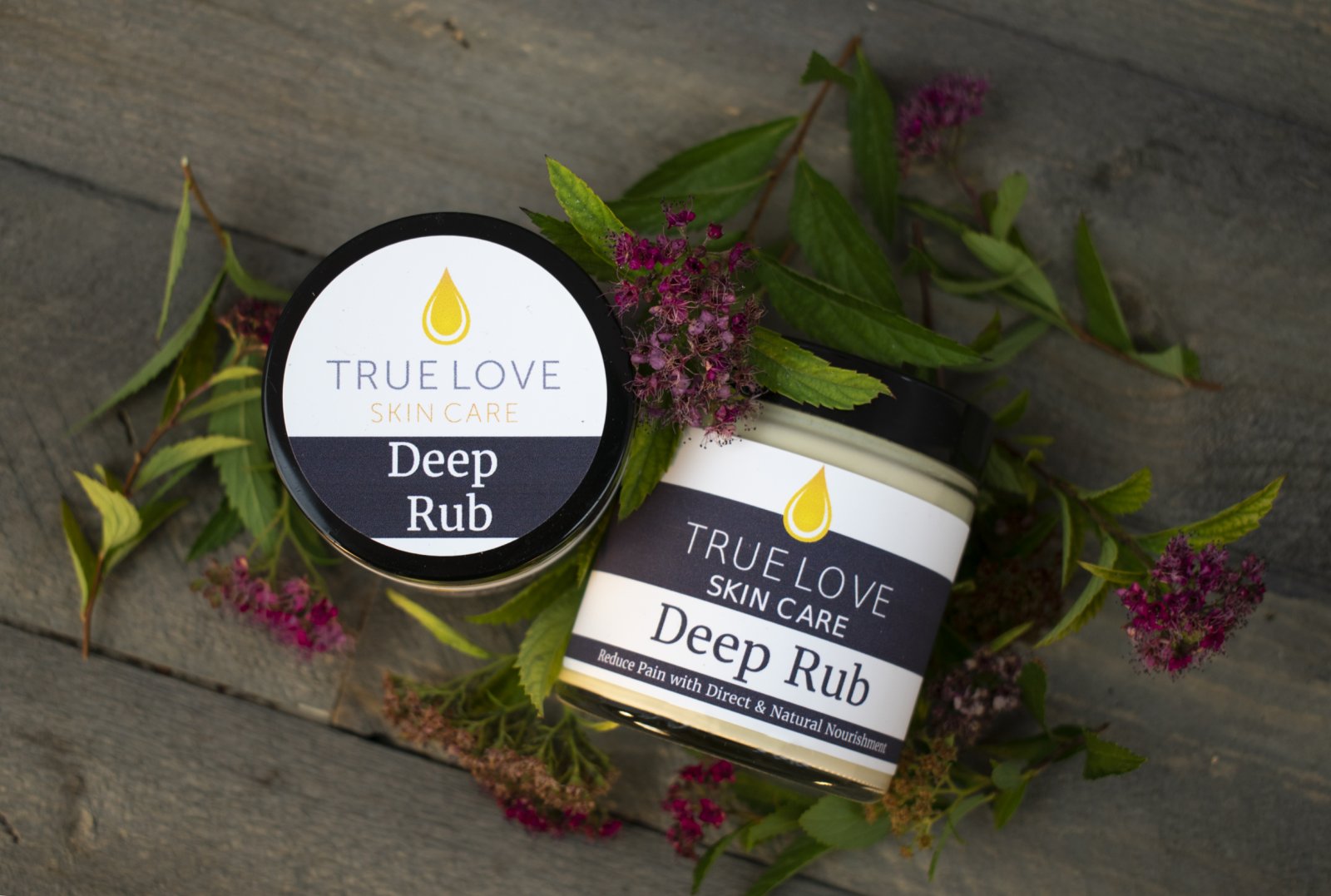
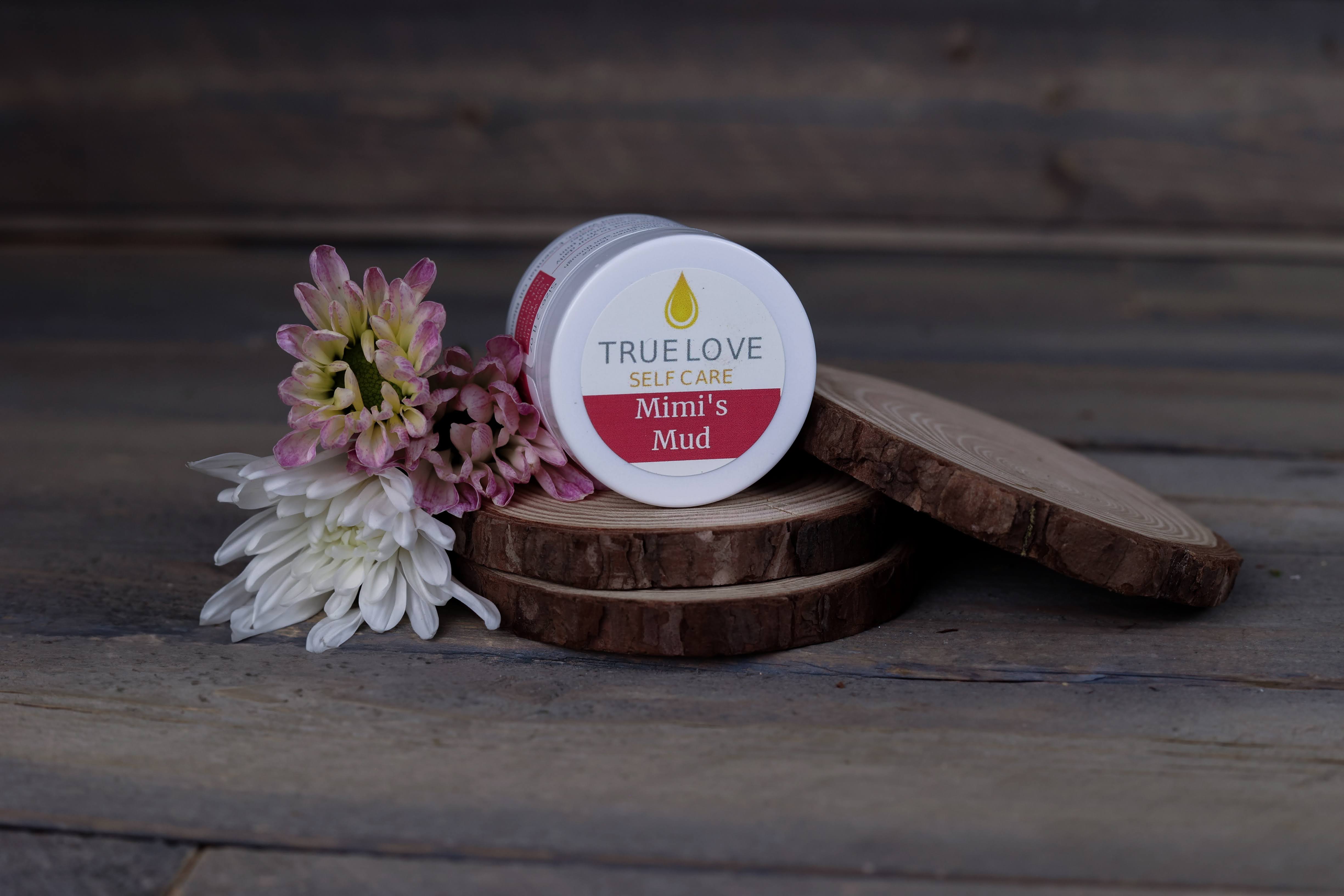
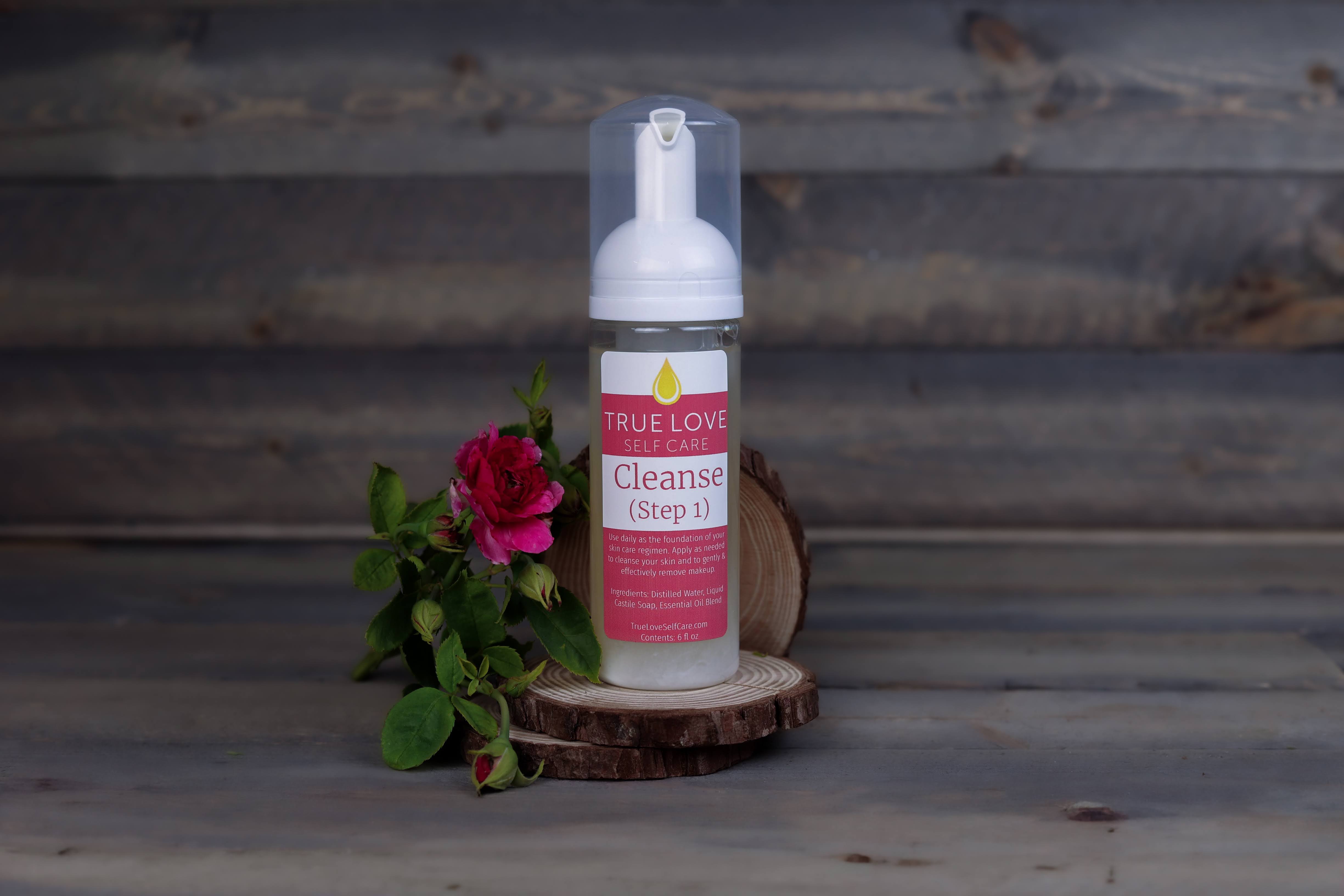
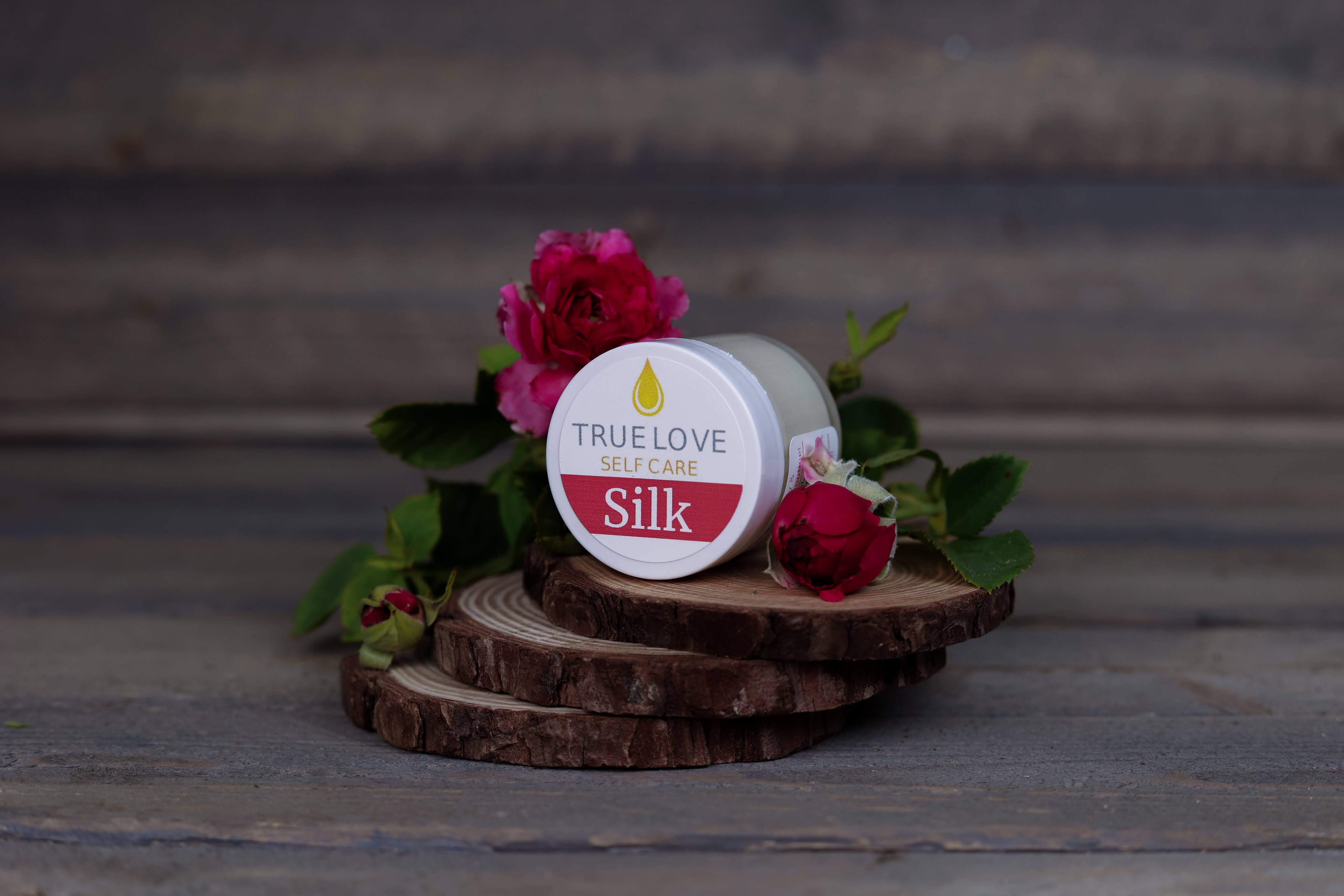
Cleanse with something mild, like our Cleanse foaming soap, which washes away makeup and grime. Follow with a small amount of shea product on dry zones only. On the rest of the face, use a lighter moisturizer such as our Silk, a plant, mineral, and essential oil blend made to nourish and moisturize. Once a week, a clay-based mask such as our Mimi's Mud Mask can be part of your routine.
Is Cocoa Butter Good for Acne-Prone Skin?
Cocoa butter is generally a poorer fit for acne-prone skin than shea butter. It is denser and typically carries a higher comedogenic rating, so it sits heavier on the skin and is more likely to contribute to clogged pores on oily areas. It works well for very dry body skin, stretched skin, and scar care, but we would not put it on an active breakout.
If you love the richness of a butter, shea is the gentler of the two for facial use, and even then only in small amounts on dry patches.
Shea Butter vs. Other Moisturizers: How It Compares
Shea butter wins on richness and barrier support. It loses on lightness and breakout risk. Here is how it stacks up against common alternatives for acne-prone skin.
| Moisturizer Type | Texture | Breakout Risk | Best For |
|---|---|---|---|
| Shea butter | Thick, rich | Low to moderate | Dry patches, barrier support |
| Cocoa butter | Very thick | Moderate to high | Body skin, not active breakouts |
| Gel cream | Light, watery | Low | Oily skin, daily use |
| Lotion | Medium | Low | Combination skin |
| Facial oil | Fluid, occlusive | Moderate | Very dry, non-acne skin |
If you are weighing natural options more broadly, our roundup of the best natural moisturizers for chronic dry skin compares textures and use cases in more depth.
Building a Gentle Routine for Acne-Prone Skin
A gentle routine beats a harsh one almost every time. Over-cleansing and piling on strong actives tends to irritate the barrier, which makes skin more reactive and can worsen the cycle of breakouts and redness.
If shea butter has a role in your routine, keep it small and targeted. If you are ready to build out the rest, our collection for acne-prone skin gathers products chosen with congested, sensitive skin in mind.
Shea butter is not a villain and not a miracle. Our Spot Paste blends olive oil, tea tree, frankincense, and plant extracts for targeted overnight use on blemishes and bumps, and our Mimi's Mud Mask is a weekly clay mask ($17.40).
Frequently Asked Questions
Can I use shea butter if I have acne?
Yes, many people with acne can use shea butter, but it depends on your skin type and how you apply it. Start with a small amount on one area, like a dry patch, and watch for new blemishes over a week. If your skin stays clear, you can continue. If you notice clogged pores, try a lighter moisturizer or a product formulated for acne-prone skin instead.
How pore-clogging is shea butter really?
Comedogenic ratings are a rough guide to how likely an ingredient is to clog pores, not a guarantee. Refined shea butter may behave differently than unrefined, and the amount you apply matters too. A thin layer on dry areas is less likely to cause problems than a thick layer all over an oily face. Patch testing is the best way to know how your own skin reacts.
Is shea butter safe for fungal acne?
If you suspect fungal acne, look for lighter, oil-free moisturizers and talk to a dermatologist about the right routine for your skin.
Can shea butter help with the appearance of acne scars?
Shea butter is a rich moisturizer that can make dry, flaky skin feel softer. It is best thought of as a comfort step rather than a scar treatment.
Who should avoid shea butter in skincare?
People with very oily, breakout-prone skin may want to avoid pure shea butter on their face, or use it only on dry patches. Anyone who has had a reaction to shea butter or other nut-based butters should skip it. If you have fungal acne or a history of clogged pores from rich creams, a lighter moisturizer is a safer choice. Always patch test a new product on your jawline or inner arm before applying it to your whole face.
