

7 Ways to Soothe Itchy Skin Patches at Home
Last Updated: November 21, 2026
Quick Summary
To soothe itchy skin patches at home, start by assessing the patch's color, texture, and triggers, then apply a cool compress or take a lukewarm shower. Match a gentle, fragrance-free moisturizer to the patch type, and see a doctor if it spreads, blisters, oozes, or shows no improvement after a couple of weeks.
- Press a cold, damp cloth on the patch for a few minutes to ease the urge to scratch.
- Use a fragrance-free cream on small, dry, flaky patches while skin is still slightly damp.
- Choose a drying formula like calamine for weepy patches, not a heavy occlusive balm.
- Keep showers short and lukewarm, and moisturize within minutes of toweling off.
- Cool the bedroom and wear soft cotton pajamas to reduce nighttime itching.
Table of Contents
- Assess the Itchy Patch Before You Treat It
- What Stops Itching Fast: Cooling Steps That Work in Minutes
- What Can I Put on an Itchy Patch of Skin?
- Natural Remedies for Skin Rashes and Itching
- A Remedy for Itchy Skin at Night That Helps You Sleep
- Everyday Habits That Protect Your Skin Barrier
- Red Flags: When an Itchy Patch Needs a Doctor
- Build Your At-Home Itch Relief Routine with True Love Skin Care
- Frequently Asked Questions
Assess the Itchy Patch Before You Treat It
Most people slap on whatever cream is in the bathroom cabinet and hope for the best. That is the wrong first move. Before you try to soothe itchy skin patches at home, take sixty seconds to look at what you are dealing with. A little observation often saves a lot of guessing.
Look at the Patch: Color, Texture, and Edges
Check the color first. Is it red, pink, or brownish? Run a finger lightly over it. Is the skin raised, flat, scaly, or smooth? Look at the edges too. Sharp borders point one way, blurry borders point another. Note whether the patch is dry and flaky or moist. This quick read tells you whether you are looking at simple dryness, a rash, or something that needs a closer look.
Note the Timing and the Trigger
Ask yourself when the itch started and what changed right before it. New soap? New laundry detergent? A hot shower? Time outdoors? Many people find that itching follows a pattern once they start paying attention. Write it down for a few days if you can. A pattern is worth more than a guess.
What Stops Itching Fast: Cooling Steps That Work in Minutes
A cool compress or a cold, damp towel pressed on the spot can ease the urge to scratch for many people.
Here is what we suggest:
- Run a clean cloth under cold water and wring it out.
- Fold it and press it gently on the patch for a few minutes.
- Re-wet the cloth as it warms up.
- Pat the skin dry afterward. Do not rub.
A cool shower works too when the itch covers a wider area. Keep the water lukewarm, not hot. Hot water feels good for ten seconds and then makes everything worse.
What Can I Put on an Itchy Patch of Skin?
The short answer: start with something simple and gentle, and match the product to the patch. A small, dry, localized patch on an arm or leg usually responds to a plain, fragrance-free moisturizer. A weepy or widespread itch may need a different approach. Applying the wrong texture or a medicated product to the wrong spot is one of the most common reasons home care backfires.
Match the Product to the Patch
Use this simple read before you reach for a tube:
- Small, dry, flaky patch: a fragrance-free cream or lotion, applied while skin is still slightly damp.
- Weepy or oozing patch: a drying formula such as calamine, not a heavy occlusive balm that can trap moisture.
- Widespread itching: a cool shower followed by a light lotion, rather than spot-treating dozens of areas with medicated cream.
- Sensitive areas (face, neck, underarms, groin): plain moisturizer only unless a clinician has advised otherwise; skin here is thinner and reacts faster.
- Children: gentle, fragrance-free moisturizer first; check with a pediatrician before any medicated product.
Over-the-Counter Options and How to Use Them Safely
Several over-the-counter choices can help. Use them as directed on the label, and stop if the skin stings, burns, or looks worse.
- Hydrocortisone cream: a mild steroid intended for short-term use on small areas. It is not for the face, groin, or broken skin unless a clinician says so.
- Calamine lotion: a classic for cooling and drying weepy patches; it can be drying, so it is a poor fit for already-flaky skin.
- Oral antihistamine: helpful when itching is linked to allergies or hives and keeps you up at night. Check with a pharmacist about which type fits your situation, especially if you take other medicines.
- Anti-itch creams with pramoxine or menthol: these cool or numb the skin; menthol can sting on broken skin.
Watch out: do not layer several medicated creams on the same spot at once, and do not use a steroid cream for weeks on end without checking in with a clinician. That is a common mistake, and it can irritate already angry skin or thin it over time.
Skin Care Products That Calm Without Drying
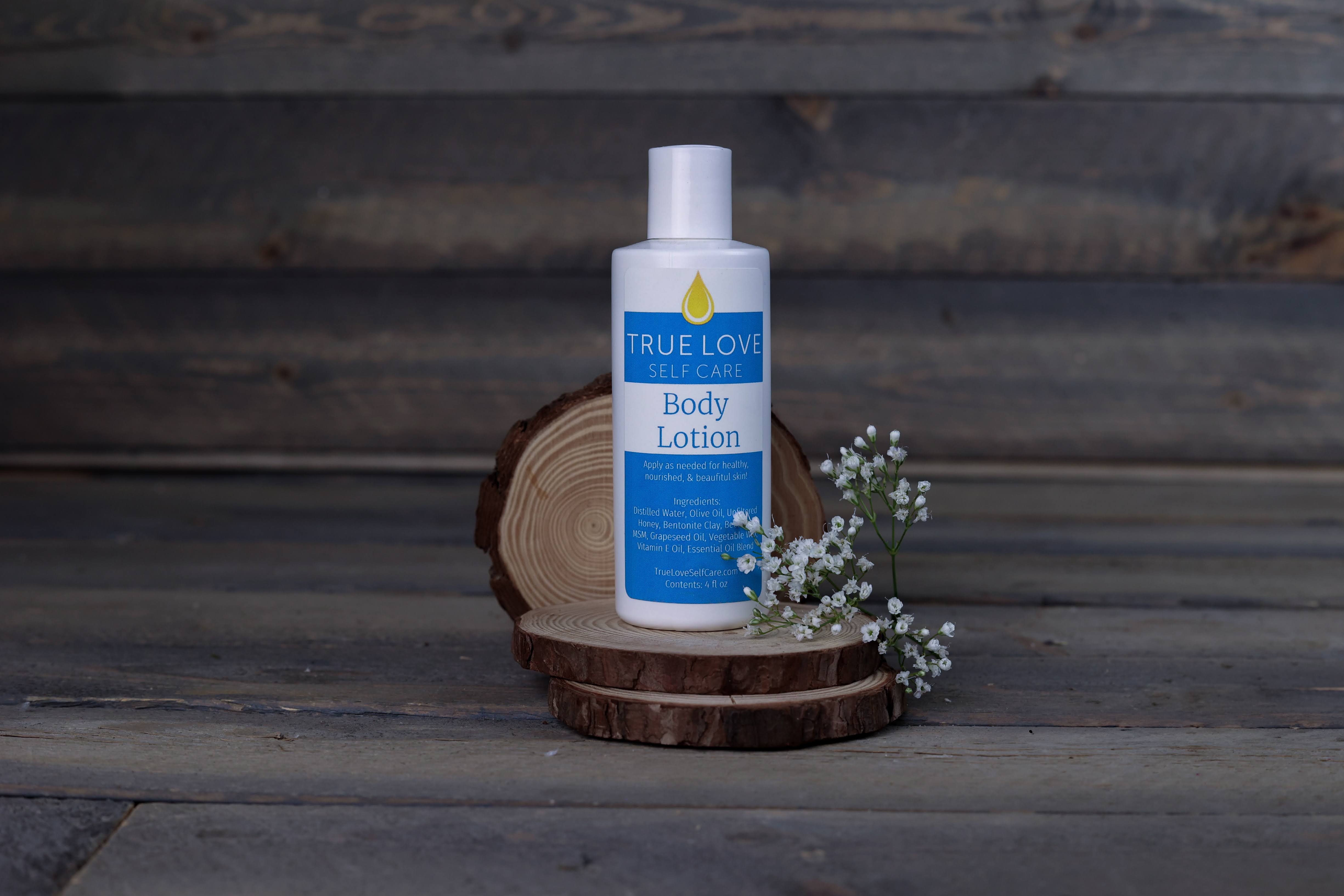
A good daily lotion matters more than people think. Our Body Lotion is built for everyday use, with olive oil, raw honey, and glycerin among its ingredients.
If you are comparing options for very dry skin, it helps to see a shortlist side by side. Our guide to the best natural moisturizers for chronic dry skin breaks down what to look for.
When to Stop a Product
Stop using any product and let the skin rest if you notice new stinging, spreading redness, or a patch that looks worse rather than better after a few days. A product that helped one patch can still disagree with another. Keep a short note of what you used and when, so you can spot a pattern if the itch returns.
Natural Remedies for Skin Rashes and Itching
Home remedies are popular because they are cheap and gentle, but they are not interchangeable. Some have modest support, some mainly feel soothing, and a few can irritate sensitive skin. Here is an honest read on the most common options.
Colloidal Oatmeal
Oatmeal is the workhorse here. A colloidal oatmeal bath is one of the most trusted home remedies for skin rashes and itching, and it is gentle enough for most people. Draw a lukewarm bath, stir in the oatmeal, and soak for ten to fifteen minutes. Pat dry, then moisturize right away. The catch: regular breakfast oats are not the same as colloidal oatmeal, which is finely milled to stay suspended in water.
Baking Soda
A baking soda paste on small, localized patches is a common folk remedy. It can feel cooling, but it is alkaline and drying, so it is a poor fit for already-flaky or cracked skin. Keep it to small spots and rinse it off rather than leaving it on.
Chamomile and Cooled Tea Compresses
Cooled chamomile tea pressed on with a cloth is soothing mostly because it is cool and wet. The tea itself is not a proven anti-itch treatment. Use it as a comfort measure, not a fix.
Aloe Vera
Aloe vera gel straight from the leaf feels cooling on intact skin. Some people find it helpful for mild irritation; others react to it. Test a small area first, and skip it on broken skin.
Honey
A thin layer of plain honey on unbroken skin is an old comfort measure. It is sticky and not practical for large areas, and it should not be used on open or weeping patches.
Essential Oils and Balms
Essential oils are where home remedies most often go wrong. Tea tree, peppermint, and eucalyptus oils can cause irritation or allergic reactions, especially on sensitive skin, and they should never be applied undiluted.
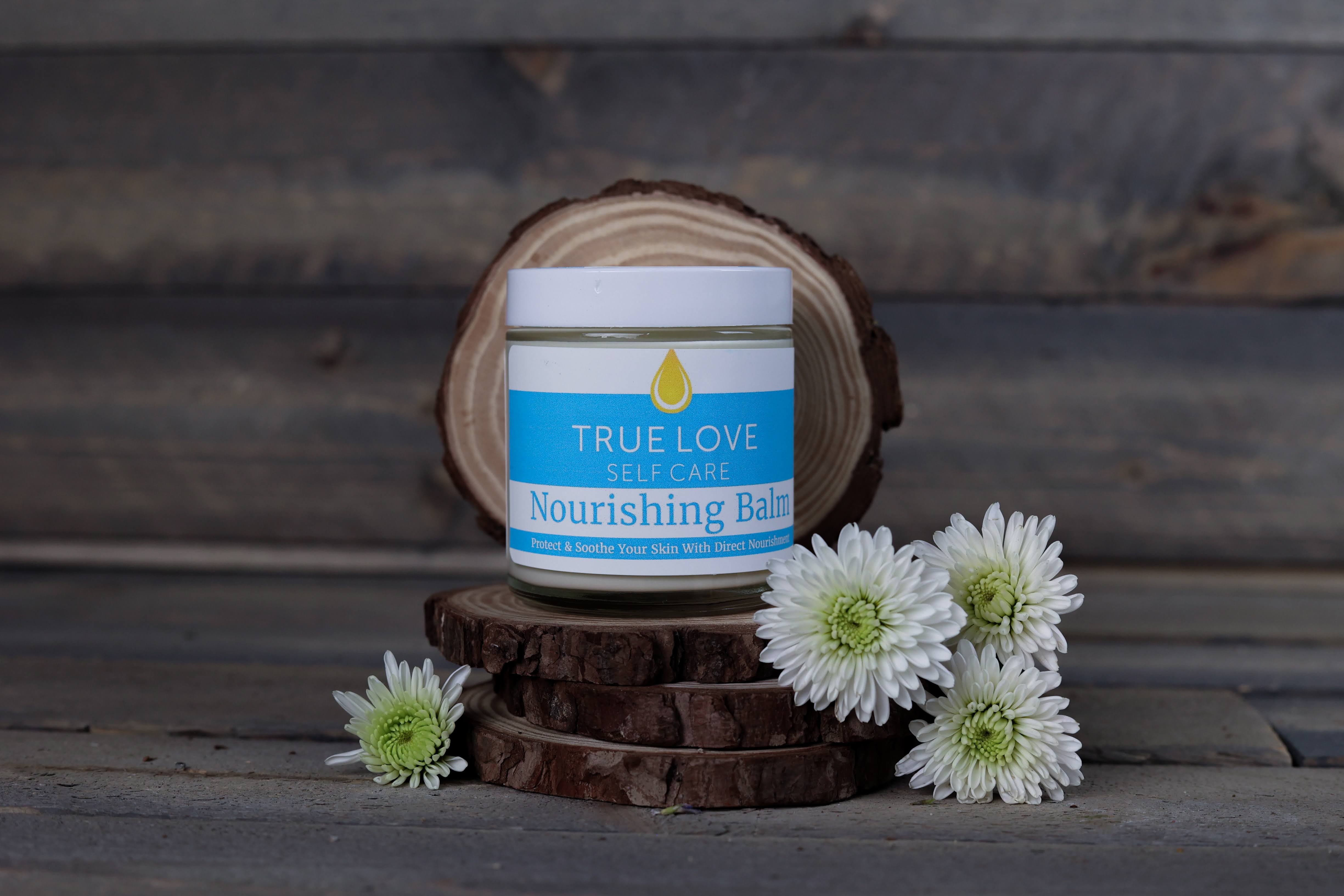
For a simple, plant-based balm you can keep on the shelf, our Nourishing Balm combines plant-based ingredients including olive leaf, comfrey, and tea tree oil.
What the Evidence Actually Supports
Colloidal oatmeal is a commonly used home remedy for itchy-feeling skin. Cool water and cool compresses are reliable because of temperature, not ingredients.
Watch out: if a remedy burns, stings, or makes the patch redder, stop it and rinse with cool water. A reaction to a "natural" product is still a reaction.
A Remedy for Itchy Skin at Night That Helps You Sleep
Night is when itching wins. The house is quiet, you are lying still, and suddenly every patch is screaming.
First, cool the room. Second, take a lukewarm shower before bed, not a hot one. Third, moisturize generously, then put on soft cotton pajamas.
Keep your nails short and smooth. If you scratch in your sleep, cotton gloves can save your skin.
Everyday Habits That Protect Your Skin Barrier
A healthy skin barrier is your best defense against itchy skin patches. The American Academy of Dermatology offers practical guidance on bathing and moisturizing that lines up with what we recommend.
- Keep showers short and lukewarm.
- Use a gentle, fragrance-free cleanser instead of harsh soap.
- Moisturize within minutes of toweling off.
- Choose fragrance-free detergent and skip fabric softeners.
- Wear soft, breathable fabrics next to your skin.
- Drink water and keep indoor air from getting too dry.
If your skin shifts with the seasons, our how-to on soothing balms for seasonal skin changes walks through picking the right texture for the moment.
Red Flags: When an Itchy Patch Needs a Doctor
Some patches need more than home care. See a doctor if a patch spreads fast, blisters, oozes, or feels hot to the touch.
A patch that keeps coming back in the same spot deserves a professional look. If you are weighing whether natural care fits alongside medical treatment, our article on whether holistic skincare is worth it for psoriasis covers that ground honestly.
Build Your At-Home Itch Relief Routine with True Love Skin Care
Here is a simple routine to tie it all together:
| Step | What to Do | When |
|---|---|---|
| 1. Assess | Check color, texture, and triggers | Before any product |
| 2. Cool | Cold compress or cool shower | When itch flares |
| 3. Moisturize | Gentle, fragrance-free lotion | After bathing, twice daily |
| 4. Protect | Soft fabrics, short nails | All day and night |
| 5. Monitor | Note changes; see a doctor if it worsens | Ongoing |
Itching wears you down. Our products are made with natural, mineral-based ingredients for people who want gentle, plant-inspired care. The Body Lotion is a good daily start, and the Nourishing Balm is there for dry-feeling patches.
Get started with True Love Skin Care and give your skin the calm, nourishing care it has been asking for.
Frequently Asked Questions
What can I put on an itchy patch of skin right now?
Start with something cool and plain. A cool compress or a fragrance-free moisturizer calms most itchy skin patches without adding new irritants. If the itch is intense, an over-the-counter hydrocortisone cream or calamine lotion can help for short stretches. For ongoing comfort, a gentle balm with plant extracts and minerals, like True Love Skin Care's Nourishing Balm, is an option to consider. Avoid anything with added fragrance, dyes, or alcohol, since those can make irritation worse.
What stops itching fast when I have no cream on hand?
Cooling is your fastest lever. Run a cold, damp washcloth over the patch for a few minutes, or stand in a cool shower. Keep the water lukewarm rather than hot, and pat the skin dry instead of rubbing. You can also press an ice pack wrapped in a cloth against the area for short intervals. Once the skin is dry, apply a fragrance-free moisturizer to lock in water and reduce the urge to scratch.
How can I soothe itchy skin at night so I can sleep?
Night itching often gets worse because skin dries out and body heat rises under blankets. Apply a richer moisturizer before bed, keep the bedroom cool, and run a humidifier if the air is dry. Wear soft, breathable cotton pajamas and keep nails short so any scratching does less damage. If the itch keeps waking you, or the patch is spreading, talk to a doctor about whether an antihistamine or another treatment is right for you.
When should I get medical advice for an itchy skin patch?
See a doctor if a patch spreads quickly, blisters, oozes, or feels hot and painful. The same goes for itching that lasts more than two weeks, keeps you awake, or comes with fever, weight loss, or trouble breathing. A patch that appears suddenly after a new medication, food, or insect bite also deserves a professional look. For everyday dry, irritated patches, at-home care with gentle moisturizers and cool compresses is a reasonable first step.
